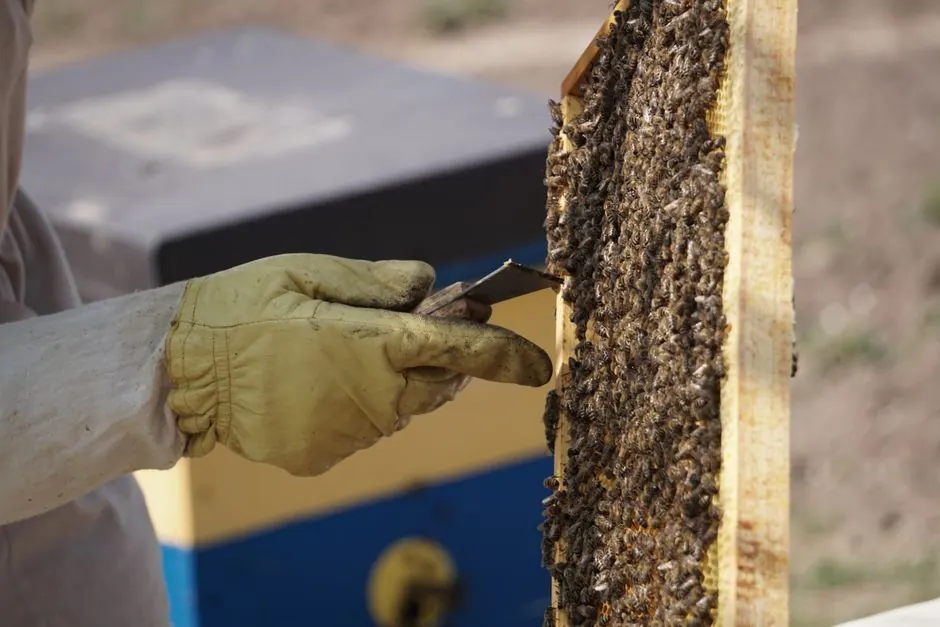
Full Property Inspection
We check eaves, soffits, vents, deck framing, outbuildings, and ground-level cavities for active nests and likely nesting spots. Most inspections take 20 to 30 minutes and cover the whole exterior.
Every wasp and bee removal Anchorage AK visit includes a full inspection, species identification, safe knockdown, physical nest removal, and residual treatment of the anchor point. We also leave a written service record. Add-ons like exclusion sealing, attic treatments, or a quarterly preventive plan are quoted separately if you want them.
We check eaves, soffits, vents, deck framing, outbuildings, and ground-level cavities for active nests and likely nesting spots. Most inspections take 20 to 30 minutes and cover the whole exterior.
Paper wasps, yellowjackets, bald-faced hornets, and ground bees each need a different approach. We identify the species before we treat so the product, method, and safety precautions match the insect.
Technicians wear protective suits and use extension poles and targeted insecticide sprayers to neutralize the colony from a safe distance. We never ask you to stay near an active nest during treatment.
We cut the nest free, bag it, and remove it from your property. Leaving the nest in place keeps the pheromone trail active and invites new insects to the same spot. Removal is the step most DIY attempts skip.
After removal, we treat the surface where the nest was anchored with a residual insecticide. This is what stops a new queen from claiming the same corner later in the season.
You get a record of what product was applied, where, and when it is safe to use the area again. That documentation is useful for rental properties and commercial compliance files.
Wasp and bee removal Anchorage AK is a licensed pest control service that locates, neutralizes, and physically removes stinging insect nests from homes, garages, decks, and commercial properties. It is needed when you find a nest, see repeat traffic around a soffit or vent, or hear the papery scratch of wasps behind a wall. The work combines inspection, safe knockdown, nest extraction, and residual treatment of the surfaces where the colony was anchored.
Anchorage's short, intense summer pushes wasps and bees to build fast. A queen that starts a nest in May can have thousands of workers by August, and our team sees the same pattern every year: nests under vinyl siding, inside attic vents, and in the hollow rims of garage doors. If you have been searching wasp and bee removal near me Anchorage AK, the sooner we get eyes on the nest, the cheaper and faster the fix. Cold snaps kill the workers, but the queens overwinter in wall voids and re-emerge in spring.
Five steps, no guesswork. You'll know what we found, what we're doing about it, and what to expect after we leave.
Schedule
Call or book online — a real human picks up and confirms a 2-hour arrival window.
Diagnose
Licensed tech inspects on-site, then walks you through the cause and your options.
Fix
The job is completed to code and done right the first time — no shortcuts, no surprises.
Guarantee
Every job backed by a written workmanship warranty — and we stand behind it.
Protective suits and face shields
Full-body protection lets our technicians work within a few feet of an active nest without risking stings. Every truck carries suits rated for yellowjacket and hornet work.
Extension poles and ladders
We reach second-story eaves, chimney caps, and high soffits without climbing on your roof. Our poles extend to 28 feet and let us treat from a safe angle.
Professional insecticide sprayers
Targeted sprayers apply the right amount of product directly to the nest opening instead of fogging the whole yard. That means less product and a faster, cleaner job.
Dust insecticides and boric acid
For wall-void and ground nests, dust products drift into the colony and reach insects that a surface spray would miss. Boric acid is useful in sensitive areas.
Exclusion mesh and sealants
After removal, we close the gap with exclusion mesh or a pest-rated sealant. This is the physical barrier that stops the next colony from using the same entry point.
UV blacklight and inspection mirrors
We use a UV blacklight and mirrors to check dark voids, attics, and crawl spaces for hidden nests and secondary colonies you may not have noticed.
Vacuum equipment
For large ground nests and swarm situations, vacuum equipment lets us remove insects in bulk with less pesticide and less disturbance to the surrounding area.
Integrated Pest Management (IPM)
We identify the species, choose the least aggressive effective treatment, and monitor results. IPM certification means we do not default to blanket spraying when a targeted application will do the job.
Dusk and dawn treatment timing
Most stinging insects are inside the nest at dusk and dawn. Treating then means we contact the whole colony at once and reduce the number of foragers that are out when we arrive.
Two-visit wall-void protocol
Wall-void nests get a dust treatment first, then a return visit to confirm the colony is dead before we seal the opening permanently. Sealing too early traps live insects inside.
Residual barrier application
After nest removal, we apply a residual product to the anchor surface and nearby landing spots. This barrier stays active for weeks and stops new queens from starting a colony in the same place.
01
What we do: We bring a 28-foot extension ladder, suit up, and treat the nest from below with a targeted spray. Once the colony is neutralized, we cut the nest free, bag it, and treat the soffit surface with a residual product.
→ The nest is gone the same day, and the treated soffit keeps new queens from rebuilding in the same corner for the rest of the season.
02
What we do: We schedule a dusk treatment when the bees are inside the nest, apply a dust insecticide to the entry holes, and mark the area so the family knows to stay clear until it dries.
→ Activity stops within 24 hours, and the garden bed is safe to use again after the treatment dries, usually the next morning.
03
What we do: We inspect the affected area, treat any active nests, and provide a written service record with product names, application areas, and dates. We can also set up a preventive schedule for the following spring.
→ The tenant complaint is resolved with paperwork on file, and the property has a documented pest control record for its compliance file.
04
What we do: We treat it as a priority call, often same-day. The technician removes the nest, treats the porch ceiling, and points out two other spots to watch. We can also quote exclusion work to close the gaps.
→ The porch is safe to use again within hours, and the family knows exactly which areas to monitor for the rest of the summer.
Anchorage's climate compresses stinging insect season into a few intense months. Queens emerge in May, colonies peak between July and early September, and the first hard freeze in October kills the workers but not the overwintering queens hidden in wall voids. That means fall is the right time to seal entry points, and spring is the right time to treat likely nesting spots before the colonies grow. Our crews work out of Anchorage County and know the building stock: older homes with wood siding and deep soffits, newer builds with vinyl and tight venting, and mobile homes with skirting that yellowjackets love. If you have been searching how to get rid of wasps in Anchorage, the answer is almost always the same: find the nest, treat it at dusk, remove it, and seal the gap. We do all four on one visit whenever access allows. ZIP codes 99516 and 99540 see a lot of ground-nest calls because of the wooded lots and rocky landscaping.
Eagle River
Large lots with mature trees and detached garages create plenty of soffit and eave nesting spots. Ground nests in rock landscaping are common here.
South Anchorage
Newer homes with tight vinyl siding push wasps into vent gaps and garage door frames. We seal those openings after removal to prevent repeat nests.
Midtown
Older multifamily buildings have deep eaves and shared walls where wall-void nests develop. We coordinate with property managers on access and documentation.
Hillside
Wooded properties and sloped lots mean more ground nests and more deck framing cavities. Dusk treatment works well here because the nests are easy to mark.
Government Hill
Historic homes with original wood trim and open soffits are prime paper wasp territory. We treat the wood surfaces and seal the gaps after removal.
Short, intense summer season
Colonies grow faster here than in milder climates because wasps pack a full season of activity into three months. A nest spotted in June can be three times the size by August.
Cold winters with deep freezes
Worker wasps die off, but queens overwinter in wall voids and attics. Fall exclusion work is the most effective way to stop next spring's colonies.
Wood-sided and vinyl-sided housing mix
Both materials create gaps wasps exploit. Wood siding needs sealant; vinyl siding needs exclusion mesh behind the panels. We match the fix to the material.
Rock walls and raised garden beds
These are the most common ground-nest locations in Anchorage. We mark the entry holes and treat at dusk when the colony is inside.
Stinging insects turn a backyard into a hazard zone fast. Here are the problems we hear about most and how we fix them.
Problem
Every trip in or out of the house becomes a risk, and one sting can trigger a serious reaction in allergic family members.
Our Fix
We treat the nest from a safe angle, remove it, and seal the gap above the door frame with exclusion mesh. Most doorways are clear within two hours of our arrival, and the treated surface keeps new queens from rebuilding.
Problem
You hear scratching inside the wall, and wasps can find their way into living space through outlets, light fixtures, or baseboard gaps.
Our Fix
We locate the exterior entry point, apply a dust insecticide into the void, and seal the opening. Wall-void nests usually take two visits, one to treat and one to confirm the colony is dead before we seal permanently.
Problem
Mowing, weeding, or letting kids play outside becomes dangerous, and the colony expands each week through the summer.
Our Fix
We mark the entry holes, apply a targeted treatment at dusk when the insects are inside, and return to confirm activity has stopped. Ground nests in Anchorage often sit near rock walls and raised beds, so we check those areas too.
Problem
You end up paying for the same removal every summer because the pheromone trail and the physical gap are still there.
Our Fix
We treat the anchor surface, remove the old nest material, and close the gap with sealant or exclusion mesh. That combination is what breaks the yearly cycle. Most customers who had repeat nests see none the following season.
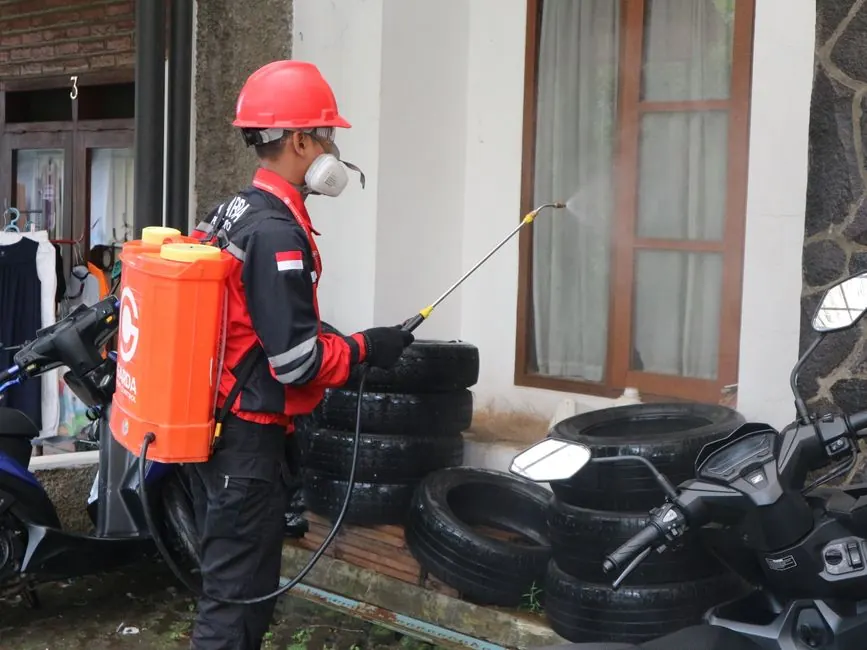
Stinging insects send people to the ER every summer in Alaska. Our job is to remove the nest, treat the source, and make sure your family can use the yard again without watching every step.
Same-Day Nest Removal
Call before 2 p.m. and we can usually be on site the same day for bee extermination Anchorage jobs. Our trucks carry ladders, extension poles, and protective suits so we can reach second-story eaves, chimney caps, and detached garages without a return trip.
Treatment That Lasts
We don't just knock the nest down. We treat the anchor point with a residual insecticide and seal the gap with exclusion mesh where it makes sense. That stops the next queen from claiming the same spot, which is the difference between a one-time call and a recurring problem.
Licensed and Insured Techs
Every technician holds a state pesticide applicator license and works under our EPA certification. We carry liability coverage and follow OSHA safety compliance on every ladder and roof job. You get a written service record showing what was applied and where.
Kid- and Pet-Conscious Products
We use targeted applications instead of fogging the whole yard. For families who ask, we can use EcoSMART botanical products or diatomaceous earth in sensitive areas. We tell you exactly how long to keep kids and pets away from the treated zone, usually until the surface dries.
Typical 2026 pricing for wasp and bee removal Anchorage AK service runs $150 to $450 for a standard residential job, with the average around $250. Ground-level nests on a fence or shed sit at the low end. Second-story eaves, chimney caps, and wall-void nests push toward the top because they need ladders, dust treatments, and sometimes a return visit. We quote the price before we start and do not add charges after the fact. If you want affordable wasp control Anchorage homeowners can plan for, ask about our spring preventive package.
Typical Investment Range
$150 - $450 for most residential jobs; $450 - $1,200 for large, high-access, or multi-visit work
You are paying for safe removal, not just a spray. The nest leaves your property, the anchor point gets treated, and the work is backed by a 30-day warranty. That combination is what keeps the problem from coming back next summer.
What changes the price
Nest height and access
A nest at eye level on a fence is a quick job. A nest under a second-story eave or on a steep roof needs ladders, extension poles, and extra safety time, which raises the labor cost.
Nest size and species
A small paper wasp nest is faster to treat than a large yellowjacket or bald-faced hornet colony. Larger colonies need more product and a longer settle time before removal.
Wall void or ground nest
Nests inside walls or underground take longer and often require a second visit to confirm the colony is dead. Dust insecticides and follow-up checks add to the cost.
Exclusion work needed
If the entry point needs sealing with exclusion mesh or a pest-rated sealant, that is quoted as an add-on. It is usually the smartest money you spend because it prevents a repeat nest.
Emergency or after-hours timing
Same-day and 24/7 emergency calls carry a higher rate than a scheduled weekday visit. If you can wait until the next business day, the price is lower.
Commercial or multi-unit property
Commercial jobs and multi-unit buildings need documentation, coordination with tenants, and sometimes multiple visits. We quote those on a per-property basis after an inspection.
Google ★★★★★4.9
Called about a yellowjacket nest in our garage wall and they came out the same day. The tech explained the two-visit process, treated the void, and came back to confirm before sealing. No wasps since. Fair price and no surprises.
Yelp ★★★★★4.8
We had a bald-faced hornet nest above the front door and two kids with sting allergies. They treated it at dusk and removed it the same night. The tech showed us the anchor point and sealed it. Worth every dollar.
BBB ★★★★★4.9
I manage rental properties and have used them for wasp removal at three different units. They show up when they say, document the work, and the price matches the quote. That is all I need from a pest company.
Google ★★★★★5.0
Ground bees took over our garden bed and we could not use the yard. They treated at dusk and the bees were gone the next day. They also pointed out two other spots to watch and sealed one of them on the spot.
Our technicians have worked Anchorage County properties long enough to know which neighborhoods get hit hardest and why. We hold a state pesticide applicator license, carry EPA certification, and follow Integrated Pest Management (IPM) certification standards on every job. That means we identify the species first, choose the least aggressive effective treatment, and only escalate when the nest size or location demands it. We are also members of the NPMA, which keeps us current on product labels and safety requirements. Whether it's a single paper wasp nest on a porch light or a yellowjacket colony under a mobile home skirt, we have the tools and the training to handle it.
Routine and same-week appointments for residents and businesses across Anchorage County, including the ZIP codes below.
Our wasp and bee removal Anchorage AK crews also cover communities across the state on scheduled routes. From the Interior to the Southeast and the Aleutians, we bring the same licensed technicians, the same products, and the same 30-day warranty. If you are outside the Anchorage area, call ahead and we will confirm the next available service date for your community.
Badger's mix of wooded lots and open fields means ground nests are common. We treat at dusk and mark the entry holes so the property owner knows where to watch.
Farmers Loop properties often have outbuildings and detached shops where wasps nest in the eaves. We inspect every structure on the lot, not just the house.
Anchor Point's coastal humidity and older cabins create ideal paper wasp habitat. We treat the nest, remove it, and seal the gaps in the siding and trim.
Metlakatla's wet climate keeps wood siding soft, and wasps love the gaps. We schedule treatments around the weather and seal entry points after removal.
Point Hope's short season concentrates wasp activity into a few weeks. We schedule service during the peak window and treat nests before they grow large.
Akutan's remote location means we plan service on a route basis. We confirm the date in advance and bring everything needed for a one-visit removal.
Thorne Bay's forested lots and damp wood structures are prime nesting territory. We treat the nest, remove it, and recommend exclusion work for the following spring.
Elim's coastal setting and older housing stock create soffit and vent gaps. We treat the active nest and seal the openings so new queens cannot use them.
Shaktoolik's exposed location means nests appear quickly once the weather warms. We schedule service as soon as the season starts and treat before colonies peak.
Seldovia's harbor-side homes and wooden docks attract paper wasps. We treat the nest, remove it, and check the dock framing for secondary colonies.
False Pass is served on a scheduled route. We confirm the date ahead of time and handle the removal, treatment, and sealing in a single visit when possible.
Kobuk's short summer means wasp nests appear and grow fast. We plan service during the peak window and treat ground and structure nests in the same visit.
Tolsona's rural properties often have multiple outbuildings. We inspect each structure, treat active nests, and point out spots to watch for the rest of the season.
Huslia's riverfront location and older homes create plenty of nesting spots. We treat the nest, remove it, and seal the gaps in the trim and vents.
Chase's wooded setting and seasonal properties mean nests often go unnoticed until someone visits. We inspect thoroughly, treat what we find, and seal the entry points.
Real experiences from customers who chose our Wasp and Bee Removal services.
“We had a yellowjacket nest inside the wall of our garage and could hear them through the drywall. Alaska Pest Solutions came out the same afternoon, found the entry point, treated it, and sealed the gap. No wasps since. The tech showed me exactly where they had been getting in and what he used.”
Megan R.
Homeowner, South Anchorage
“I manage four rental properties and called about a bald-faced hornet nest under a tenant's deck. They handled it in under two hours, bagged the nest, and treated the surrounding area. The tenant was relieved and I did not have to deal with a single complaint. Price was exactly what they quoted.”
Derek T.
Property Manager, Midtown Anchorage
“My son is allergic to bee stings, so a paper wasp nest above our front door was a real problem. They came out within a few hours of my call, removed the nest, and treated the porch ceiling. They also pointed out two other spots to watch and sealed one of them on the spot.”
Lena K.
Homeowner, Eagle River
Real answers to the questions we hear most often from local homeowners and property managers.
Carpenter ants and pavement ants often share the same exterior voids wasps use. When we treat a wasp nest, we can also place bait stations along the foundation to knock down ant trails before they find a way inside.
View Ant ControlSpider populations rise where insect prey is plentiful. Removing a wasp nest reduces the food supply, and our spider treatment targets webs, eaves, and crawl space corners to keep the population from rebounding.
View Spider ControlMice and voles chew through the same soffit gaps wasps enter. We seal those openings during wasp work and can set snap traps in the attic or garage to confirm whether rodents are already using the space.
View Rodent ControlA mouse problem in the walls often goes unnoticed until you hear scratching at night. Our mouse control service uses snap traps and exclusion sealants, and we can combine it with wasp exclusion so one visit closes multiple entry points.
View Mouse ControlBed bugs are a separate interior problem, but many Anchorage households discover them after summer travel. We use heat and targeted insecticide applications, and we can schedule the visit alongside exterior wasp work to minimize disruption.
View Bed Bug TreatmentCockroaches thrive in warm, damp crawl spaces and utility rooms. Our bait stations and insect growth regulators break the breeding cycle. If wasps are nesting near a moisture source, fixing that source helps both services.
View Cockroach ControlCall 877-729-2528 any time, day or night, and a real person answers. We schedule same-day and next-morning visits across Anchorage and the rest of Alaska. If you prefer email, send your address and the pest you are seeing to [email protected] and we will reply with a price and a visit window.
Phone
877-729-2528Address
Anchorage, Alaska
Hours
Mon–Fri: 7AM – 7PM
Sat: 8AM – 4PM
Sun: Emergency Only
24/7 Emergency Available