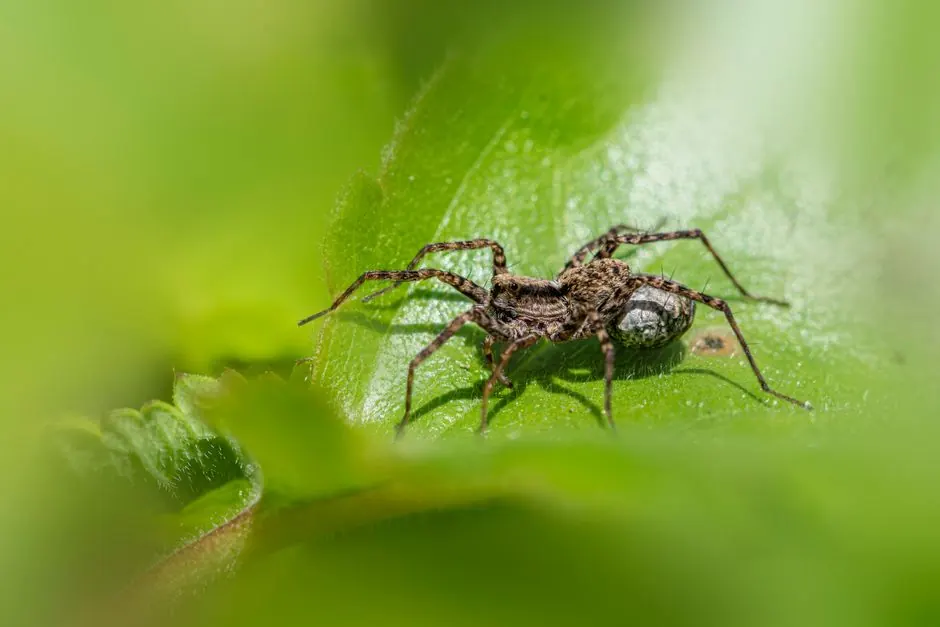
Full Interior and Exterior Inspection
We check the attic, crawlspace, foundation line, window frames, door sweeps, and exterior eaves. You get a written findings summary before any product is applied.
Every spider treatment includes the core work that actually solves the problem. Add-ons like crawlspace encapsulation or full exclusion packages are quoted separately if your property needs them.
We check the attic, crawlspace, foundation line, window frames, door sweeps, and exterior eaves. You get a written findings summary before any product is applied.
We apply residual insecticide to foundation lines, entry points, and the surfaces spiders travel across. This keeps working for weeks, not hours, and is the backbone of the treatment.
Dust insecticides go into wall voids and cracks where spiders hide and lay egg sacs. This reaches the spaces sprays can't, which is where most re-infestations start.
Technicians physically remove egg sacs from crawlspaces, window wells, and garage corners. Leaving them behind means a new wave in three to four weeks, so we don't skip this step.
We seal gaps around utility penetrations, foundation cracks, and door sweeps with exclusion mesh and sealants. This is what keeps new spiders from walking in next month.
We return at the two-week mark to check monitoring stations and re-treat any hot spots. If activity is still above threshold, we come back at no extra charge.
Spider control Anchorage AK is a targeted pest management service that removes existing spiders, treats the surfaces and cracks they hunt from, and seals the entry points they use to get inside. We start with a full inspection: attic, crawlspace, foundation line, window frames, and the dark corners where egg sacs hide. Then we apply residual treatments, dust insecticides into voids, and set monitoring stations so we can confirm the population is dropping. Most homes need two to three visits in the first 60 days.
Anchorage homes get hit hard because our short, cool summers push spiders indoors earlier than most people expect. Once the first hard freeze lands, wolf spiders and house spiders move toward heated spaces, and that's when calls spike. If you've been searching for spider control near me Anchorage AK and finding nothing but generic advice, we can help. We treat the whole property, not just the room where you saw the web.
Every job follows the same five steps, whether you're in a Hillside split-level or a Spenard fourplex. Here's exactly what happens from the first call to the final check.
Schedule
Call or book online — a real human picks up and confirms a 2-hour arrival window.
Diagnose
Licensed tech inspects on-site, then walks you through the cause and your options.
Fix
The job is completed to code and done right the first time — no shortcuts, no surprises.
Guarantee
Every job backed by a written workmanship warranty — and we stand behind it.
Insecticide sprayers
Used to apply residual products to foundation lines, soffits, and entry points. Targeted application, not broadcast, so we treat the surfaces spiders actually cross.
Dust insecticides
Applied into wall voids and cracks where sprays can't reach. This is where egg sacs and hiding spiders live, so it's a critical part of the treatment.
Glue boards
Placed in corners, crawlspaces, and along baseboards to monitor activity. They tell us whether the population is dropping after treatment.
Exclusion mesh
Used to seal gaps around utility penetrations, foundation cracks, and vents. Keeps new spiders from walking in after we've cleared the existing ones.
UV blacklight
Helps spot spider activity and egg sacs in low-light areas like crawlspaces and attics, where a standard flashlight misses detail.
Vacuum equipment
Used for physical removal of spiders, webs, and egg sacs before treatment. Removing the sacs is what prevents a second wave three weeks later.
Sealants
Applied around door sweeps, window frames, and foundation gaps. Exclusion sealing is the long-term fix that keeps the problem from returning.
Integrated Pest Management (IPM) certification approach
We identify the species first, then choose the least-toxic effective product for the situation. This means fewer chemicals, better targeting, and results that hold up over time.
Two-visit treatment protocol
The initial visit treats the source and seals entry points. The two-week follow-up checks monitoring stations and re-treats hot spots. This two-step approach is why our repeat-call rate is low.
Exclusion-first strategy
We treat the spiders and then seal the gaps they used to get in. Without exclusion work, you're just clearing the current population and waiting for the next one.
Quarterly preventive pest control
For customers who want year-round coverage, we re-treat the perimeter every quarter and refresh exclusion seals. This keeps spider pressure from rebuilding between seasons.
01
What we do: That pattern means an established population, not a stray. We inspect the crawlspace and wall voids, treat the source, and seal the entry points in a single visit.
→ Most customers in this situation see indoor activity drop by 70-80% within the first two weeks.
02
What we do: We do a full pre-move inspection and treatment, including crawlspace, attic, and exterior perimeter. It's the easiest time to treat because the house is empty.
→ You move into a treated home with a written service record and a clean baseline to maintain.
03
What we do: We treat the exterior perimeter and entry points before the migration peaks, then follow up in two weeks. This is the highest-value time of year for a spider treatment in Anchorage.
→ You head into winter with the perimeter sealed and the population knocked down, instead of chasing spiders all season.
04
What we do: We treat each unit on a scheduled route, provide written records per unit, and set up a quarterly plan so complaints don't keep coming back to you.
→ Tenant complaints drop, you have documentation for your records, and you're not fielding the same call every month.
Anchorage has a short, cool summer and a long freeze, which compresses the spider season into a tight window. Wolf spiders and house spiders move indoors earlier here than in most of the Lower 48, usually starting in late August and continuing through the first hard freeze. Older homes in Turnagain, Spenard, and Fairview have crawlspaces and pier-and-beam foundations that give spiders plenty of dark, humid voids to work with. Newer builds in Eagle River and South Anchorage are tighter, but utility penetrations and garage door sweeps still leave gaps. If you've been looking for how to get rid of spiders in Anchorage, the answer is the same as anywhere: treat the source, seal the entry points, and follow up. We work in ZIP codes 99518, 99515, and 99517 regularly, and we know which neighborhoods have crawlspace-heavy construction that needs a different treatment plan than a slab-on-grade build.
Turnagain
Older homes with crawlspaces and pier foundations. Spider pressure is high in fall, and exclusion work around utility lines matters more here than in newer builds.
Eagle River
Newer construction with tighter envelopes, but garage door sweeps and exterior soffits are common entry points. Fall treatments focus on the perimeter.
Spenard
Mix of older fourplexes and single-family homes. Shared walls and utility chases mean spiders move between units, so multi-unit treatment is often the right call.
Hillside
Wooded lots and sloped terrain push spiders toward the house. Exterior perimeter treatments and vegetation management make a bigger difference here.
South Anchorage
Newer builds with slab foundations. Spiders come in through garage gaps and window frames, so exclusion sealing is the priority.
First hard freeze in September or October
Spiders move indoors fast as temperatures drop. This is the highest-value time of year to book a treatment, because you're stopping the migration before it peaks.
Crawlspace humidity in older homes
Damp crawlspaces attract insects, which attract spiders. We treat the crawlspace and recommend ventilation improvements where needed.
Short summer with a compressed breeding window
Spider populations build quickly in July and August. A late-summer treatment knocks down the adults before they lay the egg sacs that overwinter.
Wooded lots and undeveloped greenbelt nearby
Properties backing onto greenbelt see continuous spider pressure. Quarterly perimeter treatments hold the line better than one-time sprays.
Most spider calls fall into a handful of patterns. Here's what we see most often and how we handle each one.
Problem
Crawlspace spiders move into living areas through floor gaps and utility penetrations. Ignored, the population grows each fall and you end up with webs in bedrooms and bathrooms.
Our Fix
We treat the crawlspace with residual products and dust insecticides, seal the floor penetrations with exclusion mesh, and set glue boards to monitor activity. Most customers see the traffic drop within two weeks.
Problem
Exterior webs mean spiders are hunting insects around your foundation and eaves. If you don't treat the food source and the surfaces, you'll be sweeping webs off the same corners all summer.
Our Fix
We treat the foundation line, soffits, and eaves with residual spray, and we knock down the insect population spiders are feeding on. That combination is what stops the webs from coming back.
Problem
Garages and sheds are the first stop for spiders moving toward your house. Left alone, they breed there and the next generation moves inside through the door sweep.
Our Fix
We treat the garage perimeter, corners, and door sweeps, then seal the gaps between the garage and the living space. This stops the migration path before it reaches your kitchen.
Problem
Without species identification, you don't know whether you're dealing with a harmless house spider or something that needs medical attention. Guessing wastes time you may not have.
Our Fix
Call 877-729-2528 and we'll come out to identify the species, treat the source, and tell you what symptoms to watch for. If it's a species of concern, we handle venomous spider treatment Anchorage AK protocols the same day.
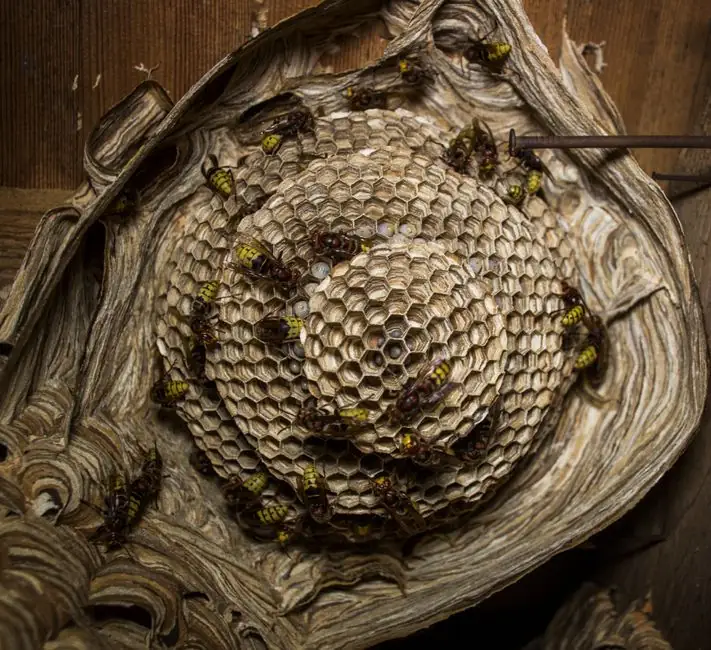
Spider problems don't fix themselves, and store-bought sprays rarely reach the cracks where egg sacs sit. Here's what our spider extermination services in Anchorage, Alaska actually deliver.
Fewer Spiders, Fast
Most customers see a 70-80% drop in visible spider activity within the first 14 days. We treat foundation lines, soffits, and entry points with residual products that keep working for weeks, not hours.
Egg Sac Removal
Killing adult spiders without removing egg sacs means a new wave in three to four weeks. Our technicians physically remove sacs from crawlspaces, window wells, and garage corners, then treat those surfaces so nothing re-lays there.
Year-Round Coverage
Anchorage spider pressure peaks in fall and again in spring. Our preventive pest control plans include quarterly exterior treatments so you're not calling us after the problem is already inside your walls.
Safe for Kids and Pets
We use EPA-registered products applied by state-licensed applicators. Treatments are placed in cracks, voids, and perimeter zones, not on the surfaces your kids and dogs touch. We'll walk you through re-entry timing before we leave.
Typical 2026 pricing for spider control in Anchorage runs $180 to $450 for the initial treatment, depending on square footage, crawlspace access, and how many entry points need sealing. Follow-up visits on a quarterly plan run $95 to $150 each. Heavy infestations or multi-unit properties are quoted per scope. We give you the full number before we start, so there's no surprise on the invoice. If you want affordable spider pest control Anchorage homeowners can actually budget for, call 877-729-2528.
Typical Investment Range
$180 - $450 for the initial treatment; $95 - $150 per quarterly follow-up
You're paying for a treatment that targets the source, not just the spiders you can see. The exclusion work alone prevents future call-outs, which is where the real savings are. Upfront pricing, no surprise line items.
What changes the price
Square footage
Larger homes take more product and more time. A 1,200-square-foot ranch is at the low end; a 3,000-square-foot two-story with a full crawlspace is at the high end.
Crawlspace access
Easy-access crawlspaces are quick to treat. Tight or unvented crawlspaces take longer and may require additional equipment, which adds to the labor cost.
Number of entry points
Every gap we seal adds time and material. Homes with multiple utility penetrations, old door sweeps, and foundation cracks take longer than a tight, newer build.
Infestation severity
Light activity means one treatment and a follow-up. Heavy infestations with visible egg sacs in multiple areas may need a second full treatment within 30 days.
Multi-unit or commercial scope
Fourplexes, apartment buildings, and commercial spaces are quoted per unit or per square foot. Scheduled routes bring the per-unit cost down compared to one-off visits.
Add-on services
Crawlspace encapsulation, full exclusion packages, and rodent or ant treatments quoted alongside spider work add to the total. We itemize each one so you can decide what you want.
Google ★★★★★4.9
Called about spiders in our crawlspace and they came out the same day. Treated the whole area, sealed the gaps, and followed up two weeks later like they promised. Haven't seen a spider inside since.
Yelp ★★★★★4.8
We manage several rentals and spider complaints were constant. Their crew treated all the units on one route and gave us written records for each. That documentation is exactly what we needed.
BBB ★★★★★4.9
Got bitten in my garage and didn't know what kind of spider it was. They identified it, treated the source, and told me what to watch for. Fast, professional, and no upselling.
Google ★★★★★5.0
Fair pricing, showed up on time, and explained everything before starting. The exterior webs stopped rebuilding within a couple of weeks. Would use them again for ants or rodents too.
Our technicians hold state pesticide applicator licenses and work under EPA certification guidelines on every job. We're members of the NPMA and follow Integrated Pest Management (IPM) certification standards, which means we identify before we spray and we use the least-toxic effective product for the species in front of us. Anchorage's building stock, from 1950s bungalows in Turnagain to new builds in Eagle River, creates different spider pressure, and we've treated all of it. We also handle the pest problems that come with spiders, like ant infestations and rodent entry, so you're not juggling three contractors.
Routine and same-week appointments for residents and businesses across Anchorage County, including the ZIP codes below.
We deliver spider control Anchorage AK customers depend on, and we run scheduled routes to communities across the state. From the Interior to the Kenai Peninsula to the Aleutians, our technicians handle the same inspection, treatment, and exclusion work regardless of how remote the address is. If you're outside the Anchorage area, call 877-729-2528 and we'll route you to the next available service window.
Interior Alaska's cold winters push spiders indoors early. We treat crawlspaces and foundation lines in Fairbanks homes before the first hard freeze.
Coastal humidity in Homer keeps spider pressure high through summer. We treat the exterior perimeter and seal entry points on homes near the bluff.
Cordova's wet climate and older housing stock create crawlspace conditions spiders thrive in. We treat the voids and seal the foundation gaps.
Remote access means fewer service windows, so we batch King Cove treatments. Full inspection, treatment, and exclusion work in a single visit.
Alakanuk homes deal with spiders moving in from the surrounding tundra. We treat the perimeter and seal the utility penetrations.
Pilot Station service runs on a scheduled route. We handle the full treatment and leave monitoring stations to confirm the population drops.
Buckland's older homes have crawlspaces that need dusting and exclusion sealing. We treat the source and seal the gaps in one visit.
Point Lay sits far north, but spiders still move indoors during the brief warm season. We treat entry points and set monitoring stations.
Kenny Lake properties back onto heavy vegetation, which means continuous spider pressure. Quarterly perimeter treatments hold the line.
Coldfoot service is scheduled in advance. We treat the full structure, seal the entry points, and leave written records for the property owner.
Old Harbor homes on Kodiak Island see coastal spider activity. We treat the exterior perimeter and seal the foundation gaps.
Fort Greely housing and facilities get the same inspection, treatment, and exclusion work as our Anchorage jobs, on a scheduled route.
Anvik service runs on a batched route. We handle the full spider treatment and leave monitoring stations to confirm results.
Whale Pass properties deal with spiders moving in from the surrounding forest. We treat the perimeter and seal the entry points.
Karluk homes on the Kodiak road system get scheduled service. Full treatment, exclusion sealing, and a written record after every visit.
Real experiences from customers who chose our Spider Control services.
“We had wolf spiders coming up through the crawlspace every fall and I was done with it. Alaska Pest Solutions treated the foundation, dusted the voids, and sealed the gaps around the pipes. Two weeks later I hadn't seen a single one. They came back for the follow-up like they said they would, no extra charge.”
Marcy T.
Homeowner, Turnagain
“I manage six fourplexes and spider complaints were constant. Their crew treated all six buildings on one route and gave me written records for each unit. That documentation is what I needed for my owners. Tenant calls about spiders dropped to almost nothing within a month.”
Derek H.
Property Manager, Spenard
“I got bitten in my garage and didn't know what kind of spider it was. They came out same day, identified it, treated the whole garage and the exterior perimeter, and told me exactly what to watch for. Professional, fast, and they didn't try to sell me anything I didn't need.”
Sandra K.
Homeowner, Eagle River
Real answers to the questions we hear most often from local homeowners and property managers.
Ants and spiders often share the same entry points around foundations and door sweeps. When we treat for spiders, we also inspect for ant trails and treat them in the same visit so you're not paying for two call-outs.
View Ant ControlMice and voles open gaps that spiders use to get inside. Our rodent control work includes sealing those gaps, which doubles as spider exclusion. If you're hearing scratching in the walls, that's the place to start.
View Rodent ControlMouse activity in crawlspaces and wall voids creates the dark, humid conditions spiders prefer. We use snap traps, bait stations, and exclusion mesh to clear mice, then treat the same voids for spiders while we're in there.
View Mouse ControlWasps and spiders both nest under eaves and in soffits. If you've got paper wasp nests on the exterior, we remove them and treat the surrounding surfaces so spiders don't move into the vacated space.
View Wasp and Bee RemovalBed bugs and spiders are different problems, but both hide in cracks and fabric seams. Our bed bug treatment uses heat and residual products, and we inspect for spider activity in the same rooms while we're working.
View Bed Bug TreatmentCockroaches thrive in the same warm, damp voids spiders use. Treating for roaches with bait stations and insect growth regulators often knocks down spider pressure at the same time, since both are feeding on the same insects.
View Cockroach ControlCall 877-729-2528 any time, day or night, and a real person answers. We schedule same-day and next-morning visits across Anchorage and the rest of Alaska. If you prefer email, send your address and the pest you are seeing to [email protected] and we will reply with a price and a visit window.
Phone
877-729-2528Address
Anchorage, Alaska
Hours
Mon–Fri: 7AM – 7PM
Sat: 8AM – 4PM
Sun: Emergency Only
24/7 Emergency Available