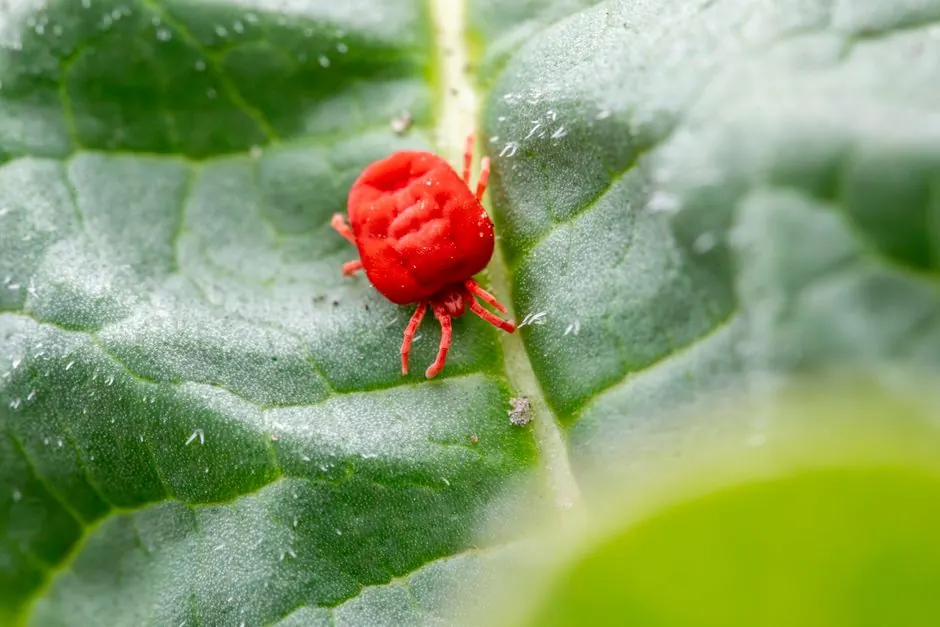
Full interior and exterior inspection
We walk the foundation, roofline, attic and crawlspace, and we check under sinks and behind appliances. Every gap and runway gets photographed and logged so you can see exactly what we found.
Our prevention program covers inspection, exclusion, monitoring and scheduled follow-up. Treatment for an active infestation is quoted separately, because a nest in the wall is a different job than keeping pests out in the first place. Here is what every prevention client gets.
We walk the foundation, roofline, attic and crawlspace, and we check under sinks and behind appliances. Every gap and runway gets photographed and logged so you can see exactly what we found.
Gaps around pipes, vents, sill plates and garage doors get closed with exclusion mesh, copper wool and sealants rated for Alaska freeze-thaw. This is the step that stops rodents and insects from getting in.
We place locked bait stations along the foundation and in the garage, plus snap traps and glue boards in runways. They get checked and refreshed on every scheduled visit, so nothing sits stale.
Ants, spiders and cockroaches get treated at entry zones with insecticide sprayers and dust insecticides. We use pheromone lures and boric acid where they work better than a spray.
After every visit you get a report listing what we inspected, what we treated and what we found. It is your paper trail for landlords, buyers, health inspectors or your own records.
We shift your visit timing around Alaska's seasons: fall rodent push, spring ant activity, summer wasps. The schedule follows the pest pressure instead of a fixed calendar.
Preventive Pest Control in Alaska is a scheduled inspection and exclusion program that stops ants, rodents, cockroaches and wildlife from getting inside your building in the first place. We start with a full walk of the exterior and interior, then seal gaps with exclusion mesh and sealants, place bait stations and snap traps where activity is likely, and treat entry zones with insecticide sprayers and dust insecticides. Every visit is documented, so you know what we found and what we did.
Anchorage sits in a subarctic zone where the first hard freeze pushes mice and voles indoors, and the spring thaw wakes up ants and spiders. That seasonal swing is why pest prevention Anchorage homeowners rely on runs on a quarterly schedule instead of a one-time spray. If you have ever searched for preventive pest control near me Anchorage AK in January, you already know the problem: by the time you see droppings, the rodents have been in the walls for weeks. We get ahead of that.
Five steps, start to finish. Most first visits take 90 minutes to two hours depending on the size of the property and how many entry points we find.
Schedule
Call or book online — a real human picks up and confirms a 2-hour arrival window.
Diagnose
Licensed tech inspects on-site, then walks you through the cause and your options.
Fix
The job is completed to code and done right the first time — no shortcuts, no surprises.
Guarantee
Every job backed by a written workmanship warranty — and we stand behind it.
Bait stations
Locked stations placed along foundations and in garages to monitor and control rodents without exposing pets or kids to bait.
Exclusion mesh and copper wool
Used to seal gaps around pipes, vents and sill plates. Copper wool stops rodents from chewing through, and mesh holds up in freeze-thaw cycles.
Snap traps and glue boards
Placed in runways and along walls where rodents travel. We check and reset them on every scheduled visit.
Insecticide sprayers
Calibrated sprayers for perimeter and entry-zone treatments at the label rate, not a blanket application.
UV blacklight
Used to detect rodent urine trails and confirm activity in areas where droppings are hard to see.
Termite detection devices
Monitors placed near foundations and sill plates to catch termite activity early, especially around moisture-prone areas.
Vacuum equipment
HEPA vacuums for removing droppings, nesting material and debris from crawlspaces and attics before we seal and treat.
Integrated Pest Management (IPM)
We identify the pest, fix the condition that let it in, and treat only where it is needed. This is the standard behind every prevention plan we run, and it is why our clients are not on a constant spray cycle.
Exclusion-first sealing
Before any treatment, we close the entry points. Mesh, copper wool and sealants rated for Alaska temperatures go into every gap we find. Sealing is what turns a one-time fix into permanent prevention.
Seasonal scheduling
Anchorage pest pressure changes with the season. We time visits around the fall rodent push and the spring insect hatch so the program matches what is actually happening outside.
Documented monitoring
Every station, trap and treated zone is logged on each visit. The written report shows what changed since the last visit, which is how we catch a new problem before you see it.
01
What we do: We do a full exclusion walk, seal every gap we find, and set monitoring stations in the crawlspace and along the foundation. The first visit usually takes about two hours on a typical single-family home.
→ You move in with sealed entry points and a quarterly schedule, and you have documentation showing the issue was addressed before you took possession.
02
What we do: We put you on a monthly commercial schedule with written reports, treat the kitchen, storage and garbage areas, and place monitoring stations that satisfy auditor requirements.
→ You walk into the inspection with a service file showing consistent professional pest service and no active findings.
03
What we do: We seal the entry points the rodents are using, set bait stations and snap traps in the runways, and schedule the next visit before the ground freezes hard.
→ The scratching stops, and the quarterly visits catch new activity before it turns into another fall infestation.
04
What we do: We put the building on a prevention schedule, treat the exterior perimeter and common areas, and provide reports you can share with tenants to show the issue is being handled.
→ Tenant complaints drop, and you stop paying for one-off spray calls that only fix the problem for a few weeks.
Anchorage is a subarctic city with a freeze-thaw cycle that opens new gaps in foundations every year. Winter drives mice and voles indoors, and the spring thaw wakes up ants, spiders and wasps. Building stock matters too: older homes in the Anchorage bowl often have unsealed crawlspaces and rim joists, while newer construction in the Hillside and Eagle River areas tends to have tighter envelopes but more attached garages, which are a common rodent entry. We adjust the plan to the building. If you have been looking for how to prevent pests in Anchorage, the short answer is seal the exterior, monitor the interior, and keep the schedule running through winter. Our technicians carry state pesticide applicator licenses and follow EPA certification rules on every product, and we work in ZIP codes 99518, 99515 and 99517 on a weekly route.
South Anchorage
Larger lots back up to greenbelt and wooded areas, so exterior rodent pressure is higher and foundation sealing matters more.
Eagle River
Attached garages and long driveways give rodents a sheltered path to the house. We focus on garage seals and perimeter bait stations.
Downtown Anchorage
Older commercial buildings and shared plumbing chases mean cockroach and rodent issues spread between units. Monthly service is common here.
Hillside
Newer construction with tight envelopes still gets crawlspace moisture, which draws insects. We check vapor barriers and vents on every visit.
Turnagain
Homes near the coastal mudflats see more insect activity in summer and rodent pressure when the ground freezes. Seasonal timing matters here.
Freeze-thaw cycles opening foundation gaps
New entry points appear every year, which is why prevention is a schedule and not a one-time seal. We re-check the foundation line on every visit.
Subarctic winter driving rodents indoors
Mice and voles move inside when temperatures drop, usually in October and November. Fall visits are timed to seal before that push starts.
Short summer insect hatch
Ants, wasps and mosquitoes compress their activity into a few warm months. Spring and early-summer visits target those windows.
Crawlspace moisture in older homes
Moisture draws insects and rots wood, which invites termite and carpenter ant damage. We flag moisture issues and recommend fixes during prevention visits.
Most pest calls in Anchorage start with a condition, not a pest. Fix the condition and the pest problem stops repeating. These are the four we see most often.
Problem
Rodent droppings, chewed wiring and insulation damage. A nest in the walls can mean a full insulation replacement and a fire risk from gnawed electrical lines.
Our Fix
We seal foundation gaps, pipe penetrations and sill plates with exclusion mesh and copper wool, then monitor with bait stations and snap traps on a quarterly schedule. Most clients stop seeing activity within the first two visits.
Problem
Contaminated food, repeat sprays that only kill the ants you see, and a colony that keeps sending foragers back inside as long as the trail exists.
Our Fix
We treat the exterior perimeter and entry points with dust insecticides and bait that the colony carries back. Sealing the gap they are using ends the trail instead of just interrupting it.
Problem
A nest near a door or window makes the whole side of the house unusable in summer, and a sting can be a medical emergency for anyone allergic.
Our Fix
Late-spring prevention visits treat the spots wasps favor before nests get established. If a nest is already active, we remove it and add that location to your monitoring checklist.
Problem
Failed health inspections, tenant complaints, and a breeding population that spreads through shared walls and plumbing chases if it is not knocked down fast.
Our Fix
We use insect growth regulators and bait in the harborage areas, fix the moisture conditions that let them thrive, and put the property on a monthly schedule with documentation for inspections.

A prevention plan costs less than a single emergency treatment and it keeps working all year. Here is what you actually get when we put your property on a schedule.
Fewer emergency calls
One rodent entry can turn into a nest in the crawlspace within 21 days. Sealed entry points and monitored bait stations cut that off early, so you are not paying for a same day pest prevention Anchorage AK call-out at 11 p.m. in February.
Year-round coverage
We schedule visits around Alaska's seasons: fall rodent push, spring ant and spider activity, summer wasp nests and mosquitoes. Year round pest control Anchorage AK means the gaps between visits never get long enough for a new population to establish.
Documented for your records
Every visit produces a service report listing what we inspected, what we treated and what we found. Commercial clients in Anchorage County use these reports for health inspections and lease requirements, and homeowners use them to track a problem over time.
Less chemical, better placement
Prevention is about placement, not volume. We use pheromone lures, glue boards and boric acid in targeted spots instead of broadcasting insecticide. That means less product in your home and better results where pests actually travel.
Typical 2026 pricing for a prevention program in Anchorage runs $480 to $1,200 per year for residential properties, and $150 to $400 per month for commercial accounts. The first inspection is included. What moves the number is property size, how many entry points we find, and how often you need us on site. A single-family home on a quarterly schedule usually lands near $600 per year, while a large commercial kitchen with monthly service runs higher. We quote the annual program up front so there are no surprise line items.
Typical Investment Range
$480 - $1,200 per year residential; $150 - $400 per month commercial
One emergency rodent job in Anchorage often runs $300 or more, and it does not stop the next one. A prevention program costs about the same over a year and keeps the problem from coming back.
What changes the price
Property size
A 1,200 square foot ranch takes less time to inspect and seal than a 4,000 square foot home with a detached shop. Larger properties usually need more bait stations and a longer first visit.
Number of entry points
Older Anchorage homes often have 10 to 20 gaps that need sealing. Newer construction may have fewer, which lowers the first-visit labor and the annual price.
Visit frequency
Quarterly service is the standard for residential prevention. Monthly service costs more but is common for restaurants, warehouses and multi-unit buildings that need documentation.
Active infestation
If there is already a nest or colony on site, we quote the removal separately from the prevention program. Prevention keeps pests out; removal clears what is already inside.
Access and construction
Crawlspace, slab and cabin construction change how we inspect and where we can place stations. Difficult access adds labor time to the first visit.
Commercial requirements
Health inspection documentation, after-hours service and multiple treatment zones raise the monthly cost for commercial accounts compared to a single-family home.
Google ★★★★★4.9
They sealed our crawlspace and set stations in one visit. No more mice, and the quarterly reports are detailed enough that our home inspector was impressed when we sold the house.
Yelp ★★★★★4.8
We use them for our restaurant. Monthly service, written reports, and they work around our kitchen hours. Two clean health inspections in a row since we started.
BBB ★★★★★4.9
Straight pricing and no pushy upsells. They told us exactly what the prevention program covered and what would be extra, and the ants were gone within a month.
Our technicians hold state pesticide applicator licenses and work under EPA certification rules for every product we apply. We are members of the NPMA and we run Integrated Pest Management (IPM) protocols on every property, which means we identify the pest, fix the condition that let it in, and treat only where it is needed. We have worked crawlspaces in Anchorage County, cabin properties off the road system, and commercial kitchens that cannot afford a single failed inspection. That range is why our prevention plans hold up through an Alaska winter.

Routine and same-week appointments for residents and businesses across Anchorage County, including the ZIP codes below.
Our prevention routes reach communities across Alaska, from the Anchorage bowl out to the Mat-Su Valley, the Kenai Peninsula and the road-system towns beyond. Every location gets the same program: inspection, exclusion, monitoring and scheduled follow-up. If you are searching for pest prevention services Anchorage AK and you are anywhere on our route map, we can put you on a schedule.
Steele Creek properties back up to wooded areas, so exterior rodent pressure runs high. We seal foundations and set perimeter bait stations on a quarterly schedule.
Coastal Seward sees summer insect activity and fall rodent movement. We time prevention visits around the fishing season and the first hard freeze.
Susitna North cabins and homes deal with heavy rodent pressure from surrounding brush. We focus on crawlspace sealing and winter monitoring.
Knik River properties often sit near wetlands, which brings mosquitoes and rodents. Our prevention plan includes yard treatment and foundation sealing.
Brevig Mission homes face harsh coastal winters that push rodents inside. We seal entry points before the cold and monitor through the season.
Napakiak properties near the river see seasonal insect hatches and rodent movement. We schedule visits around the thaw and the freeze.
Selawik's remote location means fewer service options, so we batch prevention visits and make sure every entry point is sealed before winter.
Glacier View's brushy lots and cabin construction create rodent runways. We seal gaps and set stations along the foundation and outbuildings.
Minto homes deal with wildlife intrusion and fall rodent pushes. We seal entry points and monitor crawlspaces on a seasonal schedule.
Tenakee Springs' damp coastal climate draws insects and moisture damage. Our prevention visits target crawlspace moisture and exterior sealing.
The name says it: Mosquito Lake properties need summer insect control. We treat standing water areas and seal the house envelope.
Chalkyitsik's remote setting means prevention has to be thorough on each visit. We seal, monitor and document everything in one trip.
Circle properties face Interior Alaska rodent pressure and cold-weather entry. We seal foundations and set stations before the ground freezes.
Newtok's coastal location brings moisture and insect issues. Our prevention plan focuses on sealing and moisture-related pest conditions.
Ferry's Interior location means fall rodent pushes and summer insect activity. We run seasonal prevention visits timed to both.
Real experiences from customers who chose our Preventive Pest Control services.
“We had mice in the crawlspace every fall for three years. Alaska Pest Solutions sealed the gaps around the foundation and set bait stations, and we have not heard a scratch since. The quarterly visits are quick and they leave a report on the counter every time.”
Dana R.
Homeowner, South Anchorage
“Our health inspector wants documentation, and this crew delivers it. Monthly visits, written reports, and they treat the kitchen and storage areas without disrupting service. We passed our last two inspections with no pest findings.”
Marcus T.
Restaurant Owner, Downtown Anchorage
“I manage six duplexes and prevention is cheaper than emergency calls. They sealed entry points on all six buildings, put everyone on a quarterly schedule, and my tenant pest complaints dropped to almost nothing within the first year.”
Karla S.
Property Manager, Eagle River
Real answers to the questions we hear most often from local homeowners and property managers.
Ants are the number one spring call in Anchorage. Our prevention program places bait stations and dust insecticides along the foundation before trails form, and we treat active nests when they show up.
View Ant ControlSpider activity spikes in Anchorage crawlspaces and garages each fall. We knock down webs and treat entry zones during prevention visits so spiders do not move indoors with the cold.
View Spider ControlRodents are the main reason Anchorage homeowners start a prevention plan. We seal entry points, set snap traps and bait stations, and re-check the exterior every quarter as the ground shifts.
View Rodent ControlMice squeeze through a gap the size of a pencil. Our exclusion work closes those gaps with copper wool and sealants, and the monitoring visits catch any mouse that still finds a way in.
View Mouse ControlSummer wasp nests show up under eaves and in attics across Anchorage. Prevention visits in late spring treat those spots before nests get established, and we remove active nests when you call.
View Wasp and Bee RemovalBed bugs travel in on luggage and used furniture. Our prevention clients get early detection checks during routine visits, and we run full heat and chemical treatments when an infestation is confirmed.
View Bed Bug TreatmentCall 877-729-2528 any time, day or night, and a real person answers. We schedule same-day and next-morning visits across Anchorage and the rest of Alaska. If you prefer email, send your address and the pest you are seeing to [email protected] and we will reply with a price and a visit window.
Phone
877-729-2528Address
Anchorage, Alaska
Hours
Mon–Fri: 7AM – 7PM
Sat: 8AM – 4PM
Sun: Emergency Only
24/7 Emergency Available