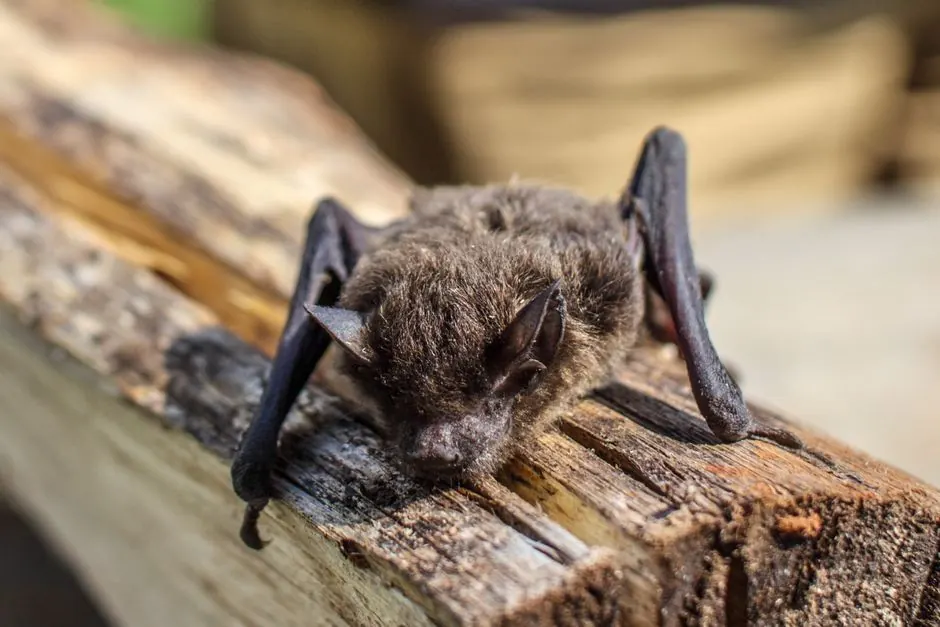
Full Exterior Inspection
We walk the roofline, soffits, gable vents, and siding at dusk and during the day, photograph every entry point, and measure guano depth. You get the findings the same day, in writing, with a photo file.
Every bat job starts with a full inspection and ends with a sealed, deodorized structure. We quote the whole scope before we start, so you know what is covered and what is not. Add-ons like insulation replacement or full attic restoration get priced separately and only if you need them.
We walk the roofline, soffits, gable vents, and siding at dusk and during the day, photograph every entry point, and measure guano depth. You get the findings the same day, in writing, with a photo file.
We install bat valves and copper exclusion mesh over every active entry point. The valves let bats leave at dusk and block re-entry. Install takes 2 to 4 hours on a typical Anchorage single-family home.
We vacuum guano with HEPA equipment, bag it for disposal, and treat the attic with a residual dust insecticide and deodorizer. A 400-square-foot attic takes 3 to 5 hours and leaves the space usable again.
After the colony is out, we seal every secondary gap with exterior-grade sealant and copper mesh. We photograph the finished work so your warranty and your insurance file are complete.
Our exclusion work is warrantied for 2 years. If a bat re-enters through a point we sealed, we return and fix it at no charge. We also give you a spring and fall checklist so you can spot new gaps early.
Bat removal Anchorage AK is the licensed process of evicting bats from a structure, sealing every entry point they use, and cleaning the guano and urine they leave behind. It is not a spray-and-leave job. Bats squeeze through gaps as narrow as 3/8 inch, so our technicians inspect rooflines, soffits, gable vents, chimney flashing, and siding gaps with a UV blacklight and a borescope before we quote anything. Once we map the colony, we install one-way exclusion mesh and bat valves that let bats leave at dusk but prevent re-entry.
Anchorage sits in a short, cool exclusion window. Bats are most active from May through September, and pups are flightless until late July, so we schedule most exclusions for August and early September. After that, overnight lows drop toward freezing and bats either move on or go torpid. Common calls come from Hillside, Eagle River, and South Anchorage homes with cedar shake roofs, plus Lake Hood cabins where colonies roost behind shutters. If you are searching for bat removal near me Anchorage AK in October, we can still seal and deodorize, then finish the exclusion in spring.
Five steps, one crew, and a written scope before we start. Most Anchorage homes are bat-free within 10 to 14 days of the first exclusion install, depending on colony size and weather.
Schedule
Call or book online — a real human picks up and confirms a 2-hour arrival window.
Diagnose
Licensed tech inspects on-site, then walks you through the cause and your options.
Fix
The job is completed to code and done right the first time — no shortcuts, no surprises.
Guarantee
Every job backed by a written workmanship warranty — and we stand behind it.
UV blacklight
Reveals urine trails and guano streaks on framing and insulation that are invisible in daylight. We use it to map the roost before we quote the exclusion.
HEPA vacuum equipment
Removes guano and contaminated insulation without releasing histoplasmosis spores into the air. Every cleanup job uses a sealed HEPA unit and Tyvek suits.
Exclusion mesh and bat valves
Copper mesh and one-way valves let bats leave at dusk and block re-entry. We size the mesh to the gap and anchor it so freeze-thaw does not pull it loose.
Borescope camera
Lets us look inside wall voids and soffits without cutting open finished surfaces. We use it to confirm roost locations before we install valves.
Insecticide sprayers and dusters
Apply residual dusts and sprays to roost surfaces after guano removal. We use EPA-certified products from Bell Laboratories and BASF.
Moisture meter and termite detection device
Checks framing under a roost for saturation and termite activity. Guano holds moisture, so this step catches secondary damage before it spreads.
Integrated Pest Management (IPM)
We identify the species, exclude it, and seal the structure before we apply any chemical. IPM certification means the plan is documented and the chemical step is the smallest part of the job.
Dusk exit count
A technician watches the structure from 30 minutes before sunset and counts bats leaving each point. The count tells us colony size and which gaps are the primary exits.
One-way exclusion
We install valves over primary exits and copper mesh over secondary gaps. Bats leave at dusk and cannot re-enter. Valves stay up 7 to 10 days, then we pull them and seal the last openings.
EPA-certified residual treatment
After guano removal, we apply a residual dust insecticide and deodorizer to roost surfaces. The treatment targets parasites left behind and knocks down the odor that attracts new bats.
01
What we do: That timing is the bat signature. We schedule a dusk inspection, count the exits, and install one-way valves over the active points. The whole exclusion usually finishes in 7 to 10 days.
→ The attic goes quiet within two weeks, and the sealed points keep the colony from returning next spring.
02
What we do: We contain the bat, then inspect the adjacent roofline and wall voids for the entry gap. Most indoor bats come through a gap within 20 feet of where the animal was found.
→ The bat is removed safely, the entry point is sealed, and you get documentation for your landlord or insurer.
03
What we do: We inspect, remove the guano, seal the entry points, and provide a written report with photos. The report satisfies most lenders and buyers without delaying the closing.
→ The attic is clean and sealed, and the sale moves forward with a documented bat exclusion on file.
04
What we do: We dispatch the same day, contain the animal, and schedule exclusion within 48 hours. You get a service log and photo report formatted for a health inspector.
→ The building reopens with documentation, and the roofline is sealed so the problem does not repeat.
Anchorage bat work is a race against the calendar. Bats are active from May through September, and pups cannot fly until late July, so the legal exclusion window is roughly August 1 through mid-September. After that, overnight temperatures drop toward freezing and bats either leave or go torpid. If you call in October, we can still inspect, seal secondary gaps, and clean guano, then finish the exclusion in spring. Building stock matters too. Hillside and Eagle River homes with cedar shake roofs and wide gable vents give bats more gaps than a modern build, while Lake Hood and Spenard cabins often have shutters and trim that hide roosts. We work in Anchorage County under state pesticide applicator licenses and follow Integrated Pest Management (IPM) certification standards on every job. If you need bat extermination services in Anchorage, Alaska, we can usually inspect within 48 hours and quote the full exclusion the same day.
Hillside
Cedar shake roofs and deep eaves create dozens of roost gaps. We see more multi-point exclusions here than anywhere else in Anchorage.
Eagle River
Larger lots back up to wooded greenbelts, so colonies move between the tree line and the roofline. Dusk exit counts here often show two separate entry groups.
South Anchorage
Newer builds with vinyl soffits still have vent gaps bats use. We seal them with copper mesh rated for the freeze-thaw cycle.
Spenard
Older homes and cabins with shutters and trim boards hide roosts behind finished surfaces. Borescope inspection is standard on these jobs.
Short exclusion window from August to mid-September
Pups must be able to fly before we install valves, so most Anchorage exclusions are scheduled in a six-week window. Miss it and the job waits until spring.
Freeze-thaw cycles open new roofline gaps
Sealants and mesh must be rated for repeated freeze-thaw or they pull loose by the second winter. We use exterior-grade materials and re-check them on service visits.
Cedar shake and wide gable vents
These roofs give bats more entry points than a modern build, so inspections take longer and exclusions use more mesh. Budget for a multi-point job on older Hillside homes.
Most bat calls start with a noise, a smell, or a stain on the ceiling. By the time you notice any of the three, the colony has usually been in the structure for a season or more.
Problem
A colony of 20 to 40 bats can deposit 2 to 3 inches of guano in a single summer, which saturates insulation and stains ceilings below the roost.
Our Fix
We locate the roost with a dusk exit count, install one-way valves, and remove the guano with HEPA equipment. Most Anchorage attics are cleared and sealed within 14 days of the first visit.
Problem
Bat urine soaks into drywall and framing, and the odor pulls new bats to the same roost. Left alone, the smell spreads into living space and can force a bedroom out of use.
Our Fix
We treat the roost surfaces with a residual dust insecticide and a deodorizer after guano removal. If drywall is saturated, we cut and replace the affected section and seal the cavity behind it.
Problem
A single bat in a bedroom or classroom is a health and safety issue, and in a commercial kitchen it can trigger an inspection shutdown until the building is documented as bat-free.
Our Fix
We run 24/7 dispatch for live-bat calls, contain the animal safely, and schedule the exclusion within 48 hours. You get a photo report and service log for your inspector or landlord.
Problem
Guano holds moisture against framing, which invites carpenter ants and termites and can rot the sheathing above a ceiling. Repair costs climb fast once the framing is wet.
Our Fix
We remove the guano, run a moisture meter and termite detection device over the framing, and treat any secondary pest activity before we seal. Insulation replacement gets quoted separately if it is saturated.
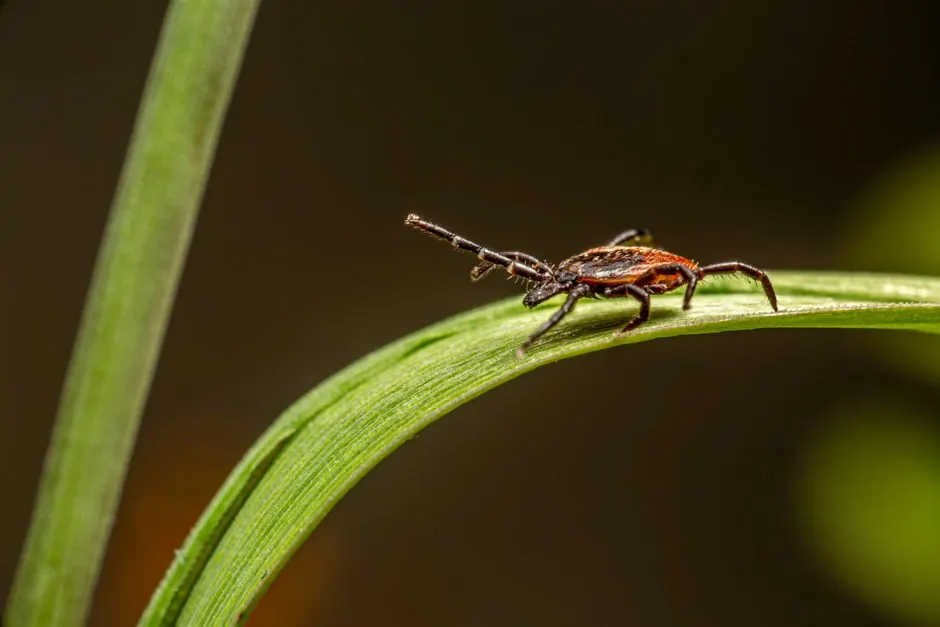
Bats are a protected species in Alaska, which means the wrong removal method is both illegal and ineffective. We work within the rules, seal the structure, and document everything so your insurance claim and your warranty hold up.
Warrantied Exclusion Work
Our exclusion mesh, sealants, and bat valves carry a 2-year workmanship warranty. If a bat finds a new gap we missed, we come back and fix it at no charge. That warranty matters in Anchorage, where freeze-thaw cycles open new seams in flashing and trim every winter.
Guano Cleanup Done Safely
Bat droppings carry histoplasmosis spores. We remove guano with HEPA vacuum equipment, bag it, and treat the attic with a residual dust insecticide approved for enclosed spaces. A typical 400-square-foot attic takes 3 to 5 hours to clear and deodorize.
No Harm to the Colony
Alaska bats are not pests to poison. We use one-way doors and exclusion mesh so the colony leaves on its own and relocates. That keeps you legal, keeps the colony alive, and keeps the job from rebounding when a new group moves into the same roost.
Same-Day Response in Anchorage
Call before 2 p.m. and we can usually be on site the same day for an inspection. Emergency bat removal Anchorage AK calls from schools, clinics, and restaurants get priority because a single bat sighting can shut down a commercial kitchen or a classroom.
Typical 2026 pricing in Anchorage runs $150 to $250 for an inspection and $1,200 to $2,800 for a full single-family exclusion, with guano cleanup included in most quotes. Cabins and simple rooflines can land under $900. Cost climbs with roof height, steep pitch, the number of entry points, and how much guano has to come out. We quote the full job after the inspection, and the inspection fee is credited toward the work if you book. No surprise add-ons after we start.
Typical Investment Range
$150 - $2,800 depending on scope
You are paying for a sealed structure, not a one-time eviction. The 2-year workmanship warranty and the photo documentation mean the job holds up through Alaska winters and stands behind you if you sell the home.
What changes the price
Number of entry points
A home with 3 gaps takes less mesh and labor than a Hillside shake roof with 11. Each additional point adds roughly $80 to $150 in materials and time.
Roof height and pitch
Steep, tall rooflines need fall protection and slower ladder work. A two-story home with a 10/12 pitch can add $300 to $600 over a single-story ranch.
Guano volume and access
Light guano in an open attic is a quick vacuum job. Deep guano in a wall void or under blown insulation takes longer and may need an access cut, which adds labor.
Insulation condition
Saturated insulation has to come out and be replaced. That is a separate line item, usually $400 to $1,200 depending on attic size and material.
Season and scheduling
August and early September are the busiest weeks because the exclusion window is short. Off-season sealing work in October and November is often quoted lower.
Google ★★★★★4.9
They found 14 entry points on our shake roof and sealed every one. Guano cleanup was thorough and the attic smelled normal within a day. The two-year warranty gave us confidence when we sold the house.
Yelp ★★★★★4.8
Called about a bat in the hallway and they were out the same afternoon. Contained the bat, found the gap above the stairwell, and had a valve installed within a week. Documentation was ready for our inspector.
BBB ★★★★★4.9
Fair pricing and no upselling. They quoted the full exclusion after the inspection and the final bill matched. The crew wore respirators and Tyvek the whole time and left the attic cleaner than they found it.
Our technicians hold state pesticide applicator licenses and work under Integrated Pest Management (IPM) certification standards, which means we identify the species, exclude it, and seal the structure before we ever consider a chemical. We have handled colonies in cedar shake roofs, metal-roofed cabins, log homes, and commercial warehouses from the Kenai Peninsula to the Mat-Su Valley. Every job starts with a species ID, because little brown bats and Keen's myotis behave differently and roost in different parts of a building. We carry EPA-certified products from Bell Laboratories and BASF, and we document every exclusion point with photos so your warranty and your insurance file are complete.
Routine and same-week appointments for residents and businesses across Anchorage County, including the ZIP codes below.
Our bat removal Anchorage AK crews cover the whole state, from Southeast rain country to the Interior and the Bush. Travel is scheduled in blocks so remote jobs get a full service window. If you are outside the road system, call 877-729-2528 and we will quote travel and lodging in the same estimate.
Sitka's wet climate and older wood-frame buildings give bats plenty of roost gaps. We schedule Southeast jobs in multi-day blocks and seal with materials rated for constant rain.
Mill Bay homes near the water often have cedar siding and deep eaves. We inspect the roofline at dusk, then install valves and copper mesh sized for coastal weather.
Willow cabins and rural homes sit close to the tree line, so colonies move between woods and roofline. We count exits at dusk and seal every gap we find in one trip.
Kotlik is off the road system, so we bundle bat work with other service calls. Inspections are scheduled in advance and exclusion materials ship ahead of the crew.
Womens Bay properties near Kodiak often have metal roofs and exposed trim. We seal the trim gaps and check the eave line, where bats find the warmest roost.
Nuiqsut's short summer means a tight exclusion window. We prioritize August visits and finish the seal before the first hard freeze moves the colony out.
Nenana homes along the river have older framing and wide gable vents. We inspect the attic and wall voids, then seal with copper mesh rated for Interior freeze-thaw.
Tanana jobs are scheduled with travel time built in. We inspect, quote, and complete the exclusion in one trip when the season allows, and document everything for the owner.
Lower Kalskag cabins often have exposed rafters and simple rooflines. We seal the rafter gaps and clean guano with HEPA equipment, then leave a maintenance checklist.
Golovin sits in a coastal wind corridor, so sealants have to flex. We use exterior-grade materials and re-check the sealed points on the next scheduled visit.
Anderson homes near the Interior tree line see bat activity from June through August. We install valves over the primary exits and seal secondary gaps in the same visit.
Primrose properties on the Kenai often have metal roofs and vented soffits. We inspect the soffit gaps and the ridge line, where bats find the warmest roost.
St. George is a remote island job, so we schedule inspections well ahead and ship exclusion materials in advance. Guano cleanup and sealing happen in one block.
Nikolai cabins have simple framing and few finished surfaces, which makes inspection fast. We seal the gable and eave gaps and leave a spring checklist for the owner.
Diomede is the most remote stop on our route. Bat calls here are rare but we handle them with the same inspection, exclusion, and documentation process as Anchorage.
Real experiences from customers who chose our Bat Removal services.
“We heard scratching above the bedroom for three weeks and assumed it was squirrels. The crew found 14 bat entry points along the cedar shake roof, installed valves, and came back twice to check. Guano cleanup took a full day and the attic smelled normal again. Worth every dollar.”
Marla T.
Homeowner, Hillside
“Bats were roosting behind the shutters of our floatplane cabin. They sealed the gaps in August, waited for the pups to fly, and finished the exclusion in two visits. No bats this summer. They also flagged a mouse run we did not know about.”
Dale R.
Cabin Owner, Lake Hood
“A tenant reported a bat in a hallway and we needed documentation fast. The team responded the same day, contained the bat, and gave us a photo report for the health inspector. Exclusion on the roofline was finished within a week. No complaints since.”
Priya S.
Property Manager, Midtown
Real answers to the questions we hear most often from local homeowners and property managers.
Carpenter ants and bats often share the same moisture-damaged framing in Anchorage attics. When we seal bat entry points, we also treat ant trails with bait stations and a residual barrier so the same gap does not become a two-species problem.
View Ant ControlAttics cleared of bats often reveal spider activity in the insulation and eaves. We knock down webs, apply a residual insecticide, and treat the same roofline gaps we sealed for bats, so the exterior stays clean through the winter.
View Spider ControlMice and squirrels use the same roofline gaps bats do, and they chew the exclusion mesh if it is installed wrong. We use rodenticide bait in locked stations and harden the bat exclusion with copper mesh rated for gnawing, so one visit solves both problems.
View Rodent ControlA bat exclusion without mouse control leaves the attic open to a second invasion. We set snap traps and bait stations in the attic and crawlspace, then seal the entry points with the same sealants we use for bat work, so the structure stays closed.
View Mouse ControlWasps nest under the same eaves and gable vents bats use. We treat nests with a dust insecticide, remove the paper comb, and seal the vent gaps, so the exclusion work does not leave a wasp highway into the attic next summer.
View Wasp and Bee RemovalGuano cleanup crews sometimes find secondary pest issues in wall voids. If bed bugs turn up during an attic job, we treat with a heat and insecticide protocol, then re-inspect before we close out the bat warranty.
View Bed Bug TreatmentCall 877-729-2528 any time, day or night, and a real person answers. We schedule same-day and next-morning visits across Anchorage and the rest of Alaska. If you prefer email, send your address and the pest you are seeing to [email protected] and we will reply with a price and a visit window.
Phone
877-729-2528Address
Anchorage, Alaska
Hours
Mon–Fri: 7AM – 7PM
Sat: 8AM – 4PM
Sun: Emergency Only
24/7 Emergency Available